Oncology consultation
From the initial consultation, our team provides clear guidance and a comprehensive assessment to determine the most appropriate approach based on your needs.
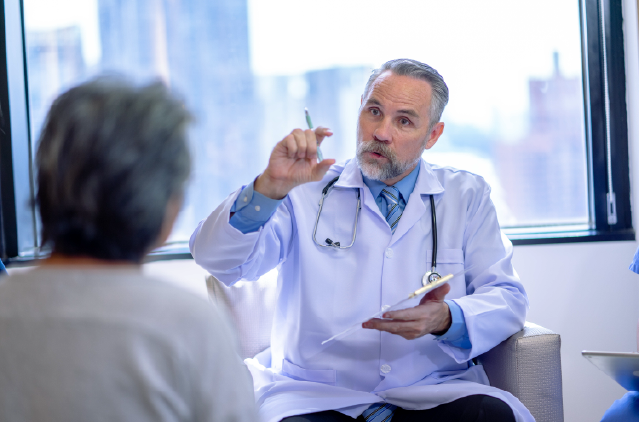
Schedule an appointmentDuring the oncology consultation, our specialists conduct a comprehensive assessment of your case, review your medical records, and address your key questions. Based on this evaluation, they provide guidance regarding the diagnosis, available treatment options, and next steps, enabling you to make informed decisions with confidence and medical support.
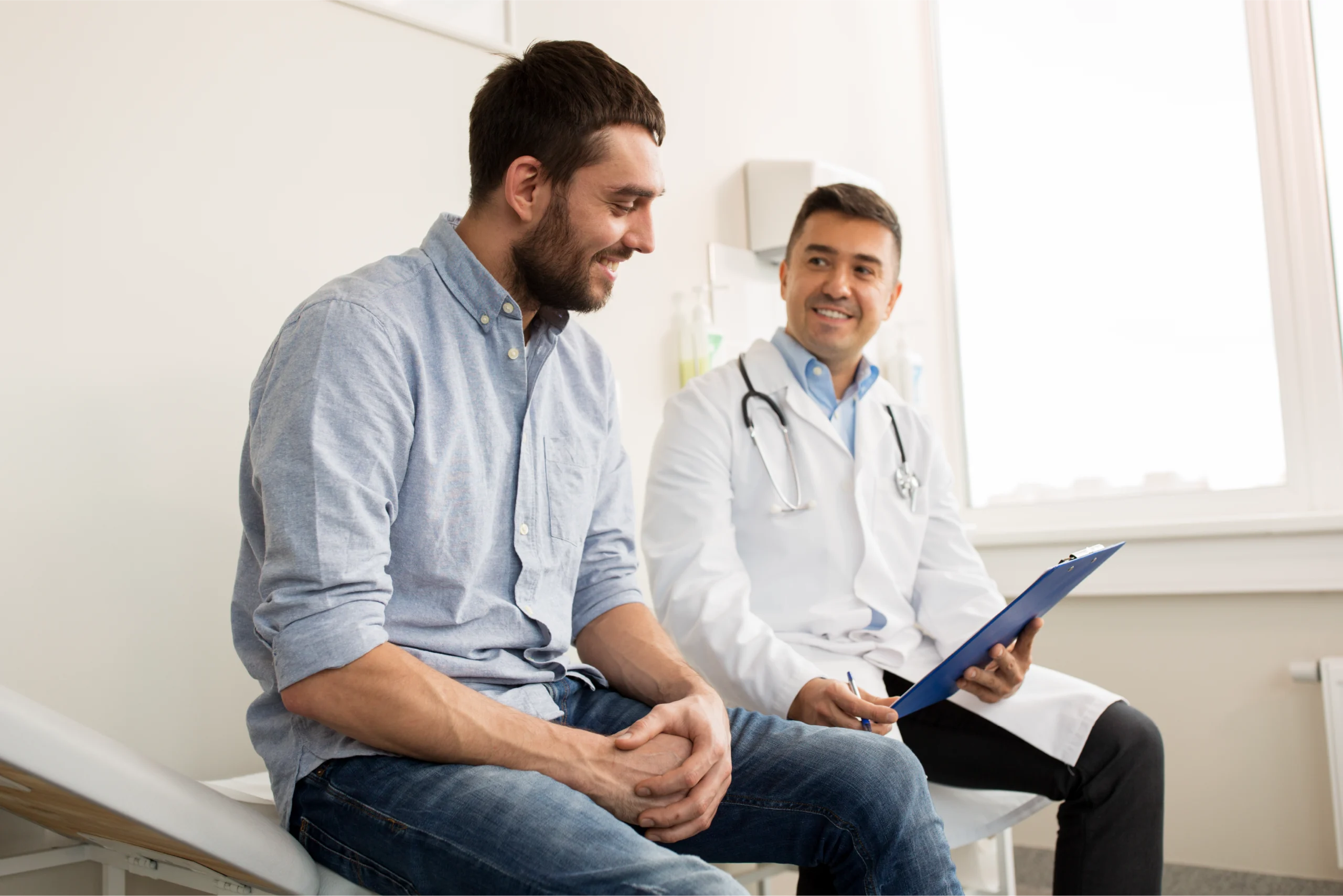
The initial consultation is a space to listen to you, understand your needs, and provide the necessary guidance. Our team supports you with a personal approach and clarity, combining medical knowledge, experience, and a comprehensive view of your well-being.
Our commitment begins with the very first consultation, providing a safe space to understand your situation, address your questions, and together with you determine the most appropriate approach based on your needs.
Our specialists
Medical Oncology / Hematology
Surgical Oncology
Palliative Medicine and Pain Management
Dermatologic Oncology
Rheumatology
Internal Medicine
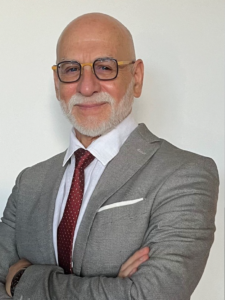
Oscar Palma Rodriguez
Medicina Interna, Medicina Crítica y Terapia Intensiva, Medicina de Emergencias, Nutrición Clínica
Schedule an appointmentOncological Nutrition
Oncology Psychology
Interventional Radiology
Senología
General Medicine
All your care, connected
Each case requires a comprehensive perspective. That is why our specialists and services work in a coordinated manner to facilitate decision-making, ensure continuity of care, and keep the patient at the center of every step.
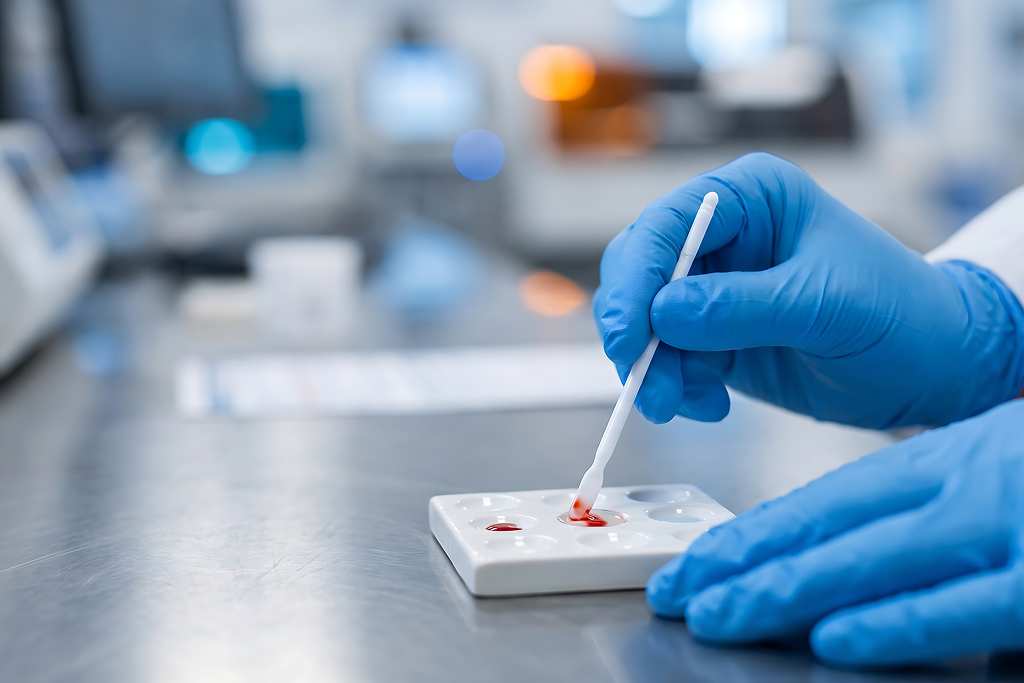
Specialized Pathology
Specialized analysis of tissues and cells to establish the diagnosis and characterize the cancer. Its results guide the medical team in selecting the most appropriate treatment for each patient.
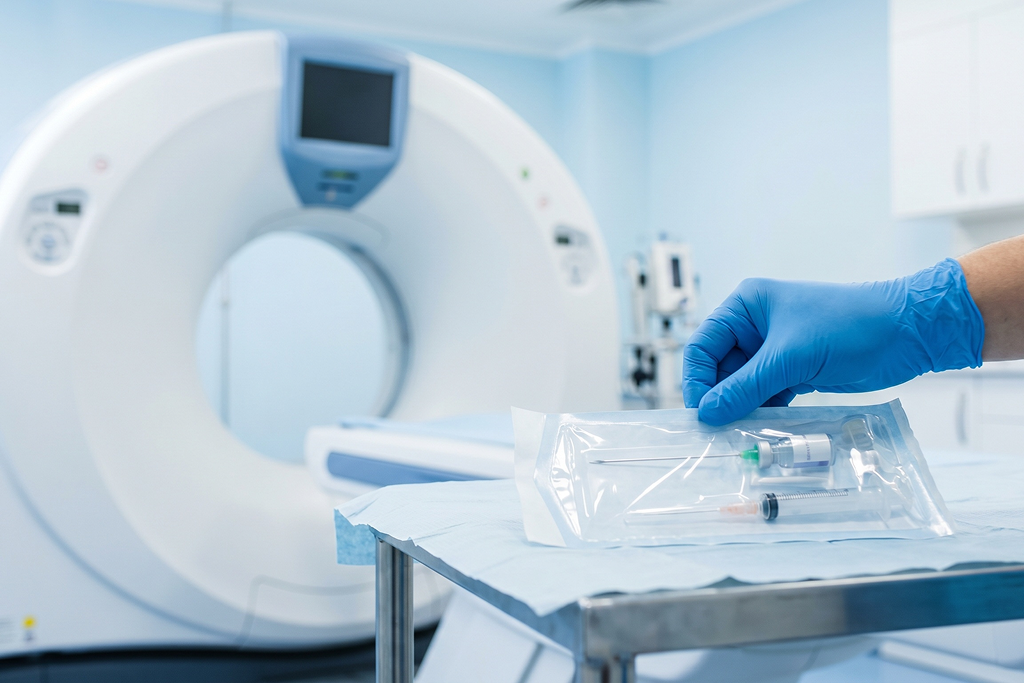
Interventional Radiology
Minimally invasive, image-guided procedures to support cancer diagnosis and treatment. It enables biopsies, targeted treatments, and relief of certain complications of the disease.
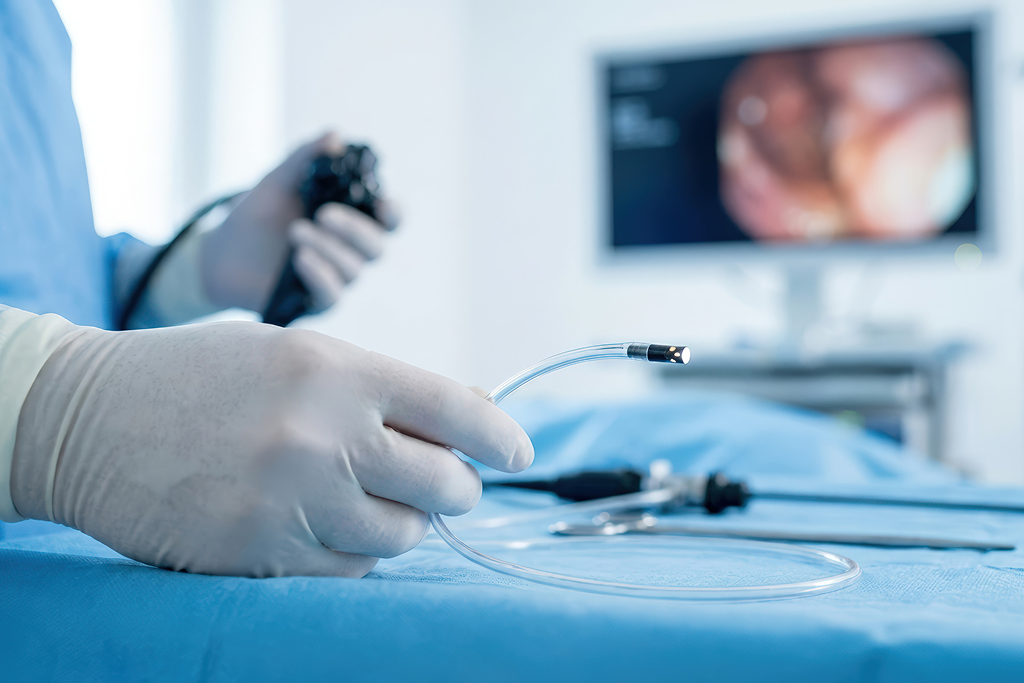
Therapeutic Endoscopy
Specialized procedures to evaluate and treat lesions of the digestive system, pancreas, and bile ducts. It includes endoscopic ultrasound (EUS) and endoscopic retrograde cholangiopancreatography (ERCP) to obtain samples and perform interventions according to each patient's needs.
Cardio-Oncology
Cardiovascular health care before, during, and after cancer treatment. It focuses on preventing, detecting, and treating complications that can affect the heart and blood vessels.
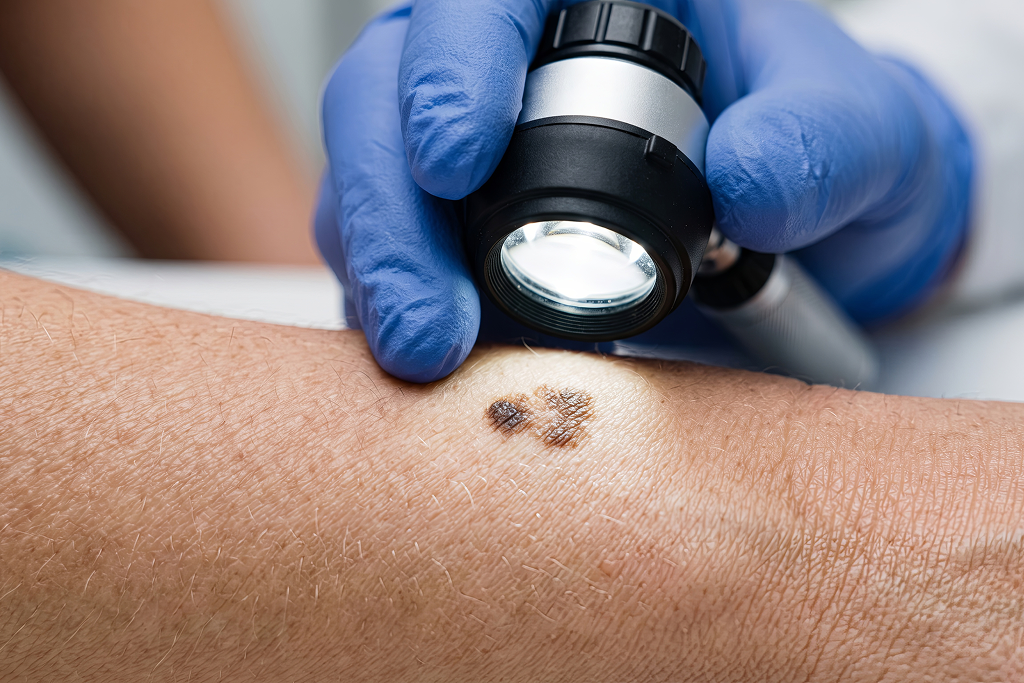
Dermato-Oncology
Specialized care in the detection, diagnosis, and treatment of skin cancer. It includes the evaluation of suspicious lesions and monitoring of skin health during oncological treatment.
Onco-Geriatrics
Specialized care for older adults with cancer, through a comprehensive geriatric assessment that identifies risks, adapts treatments, and provides support throughout the entire oncological process.
Oncology Physiotherapy
We support you in your recovery with specialized physiotherapy, focused on improving your mobility, strength, and well-being during and after oncological treatment.
Oncology Pharmacy
Distribution of medications and treatments to other locations or directly to your home, with personalized and home delivery options.
Second Opinions and International Consultations
Ensure the recommended treatment is the right one through our second-opinion consultation and our connections to international centers such as the Mayo Clinic.
Home Care
Home-based oncological and palliative treatments, reducing the need for travel and offering comfort to the patient.
Nutritional Support
Specialized nutritional planning for oncology patients throughout the entire treatment process.
Psycho-oncology
Emotional support for patients and their families, including support programs for managing pain and anxiety.
Oncology Infusions
Administration of chemotherapy, immunotherapy, monoclonal antibodies, blood transfusions, and subcutaneous treatments.
Oncology Consultations
Medical, surgical, and gynecologic oncology, hematology, and oncologic dermatology.
We are here to answer your questions.
We know that many questions can arise when starting treatment. Here you will find clear, simple answers to some of the most frequently asked questions about the care, treatments, and services available at our Center.
What are the most common types of cancer?
Los cánceres más frecuentes varían según el sexo y la edad. En general, los más comunes son:
- Cáncer de mama
- Cáncer de próstata
- Cáncer de pulmón
- Cáncer colorrectal (colon y recto)
- Cáncer de piel
- Cáncer de cuello uterino
- Cáncer de estómago
- Cáncer de tiroides
La detección temprana mejora significativamente las posibilidades de tratamiento y curación.
What are the warning signs that could indicate cancer?
Muchos cánceres no producen síntomas en etapas iniciales. Sin embargo, debe consultar a un médico si presenta:
- Pérdida de peso sin explicación.
- Sangrado anormal.
- Tos persistente o con sangre.
- Bultos o masas nuevas.
- Cambios en lunares.
- Cambios persistentes en los hábitos intestinales o urinarios.
- Dificultad para tragar.
- Fatiga intensa sin causa aparente.
Estos síntomas no siempre significan cáncer, pero requieren evaluación médica.
Are all tumors cancer?
No, there are both benign and malignant tumors.
- Benignthey do not invade other organs or produce metastasis.
- Malignant (cancer)they can grow uncontrollably and invade other tissues. Only a doctor, through specialized studies, can establish the diagnosis.
Is cancer always hereditary?
No. Approximately 5 to 10 % of cancers are hereditary. Most are caused by a combination of aging, environmental factors, and lifestyle choices. Certain family histories may increase the risk and warrant genetic counseling.
How is cancer diagnosed?
El diagnóstico generalmente incluye:
- Historia clínica y examen físico.
- Estudios de laboratorio.
- Imágenes (mamografía, tomografía, resonancia magnética, ultrasonido o PET-CT, según el caso).
- Biopsia, que es el estudio definitivo para confirmar el diagnóstico.
What treatments exist for cancer?
No. It depends on the medication used. Some treatments cause complete hair loss, others only thinning, and some do not affect the hair at all. Currently, strategies exist to reduce this effect in certain patients.
Is there a cure for cancer?
Yes. Many cancers can be cured, especially when detected in early stages. Even in advanced disease, current treatments make it possible to control the disease for long periods and improve the quality of life.
What can I do to reduce my cancer risk?
Algunas medidas que ayudan a disminuir el riesgo son:
- No fumar.
- Mantener un peso saludable.
- Realizar actividad física regularmente.
- Consumir frutas y verduras diariamente.
- Limitar el consumo de alcohol.
- Protegerse del sol.
- Vacunarse contra el Virus del Papiloma Humano (VPH) y la hepatitis B cuando esté indicado.
- Participar en programas de detección temprana según la edad y los factores de riesgo.
When should I get cancer screening tests?
Depende de la edad, el sexo y los factores de riesgo.
Algunas pruebas recomendadas incluyen:
- Mamografía para cáncer de mama.
- Colonoscopia o pruebas de sangre oculta en heces para cáncer colorrectal.
- Citología y prueba de VPH para cáncer de cuello uterino.
- Evaluación del riesgo de cáncer de próstata de forma individualizada con su médico.
Su especialista puede recomendar un plan de tamizaje personalizado.
Does breast cancer only affect women?
No. Although it is much more common in women, men can also develop breast cancer, although it accounts for less than 1 % of cases. If you notice any lump or nipple discharge, you should see a doctor.
Does smoking only increase the risk of lung cancer?
No. El tabaquismo también aumenta el riesgo de:
- Cáncer de boca.
- Cáncer de laringe.
- Cáncer de esófago.
- Cáncer de riñón.
- Cáncer de vejiga.
- Cáncer de páncreas.
- Cáncer de estómago.
- Cáncer de cuello uterino, entre otros.
Dejar de fumar reduce progresivamente el riesgo de desarrollar cáncer.
What is a metastasis?
Metastasis occurs when cancer cells spread from the original tumor to other organs, such as bone, liver, lung, or brain. Not all cancer patients develop metastasis.
Can I exercise during cancer treatment?
En la mayoría de los casos, sí. La actividad física adaptada a la condición de cada paciente puede ayudar a:
- Disminuir la fatiga.
- Mantener la masa muscular.
- Mejorar el estado de ánimo.
- Favorecer la recuperación.
Siempre debe realizarse bajo las recomendaciones del equipo médico.
How can I request an evaluation at the Cancer and Hematology Center?
You can request an appointment by contacting our center through the official channels.